When you have diabetes, your blood glucose levels (aka blood sugar levels) levels could be consistently high. Over time, this may damage your whole body and produce many other problems.
How much sugar within the blood is just too big much? And why is high glucose so not a good idea? Here’s a peek at how your levels affect your quality of life.
What Are Normal Blood Sugar Levels?
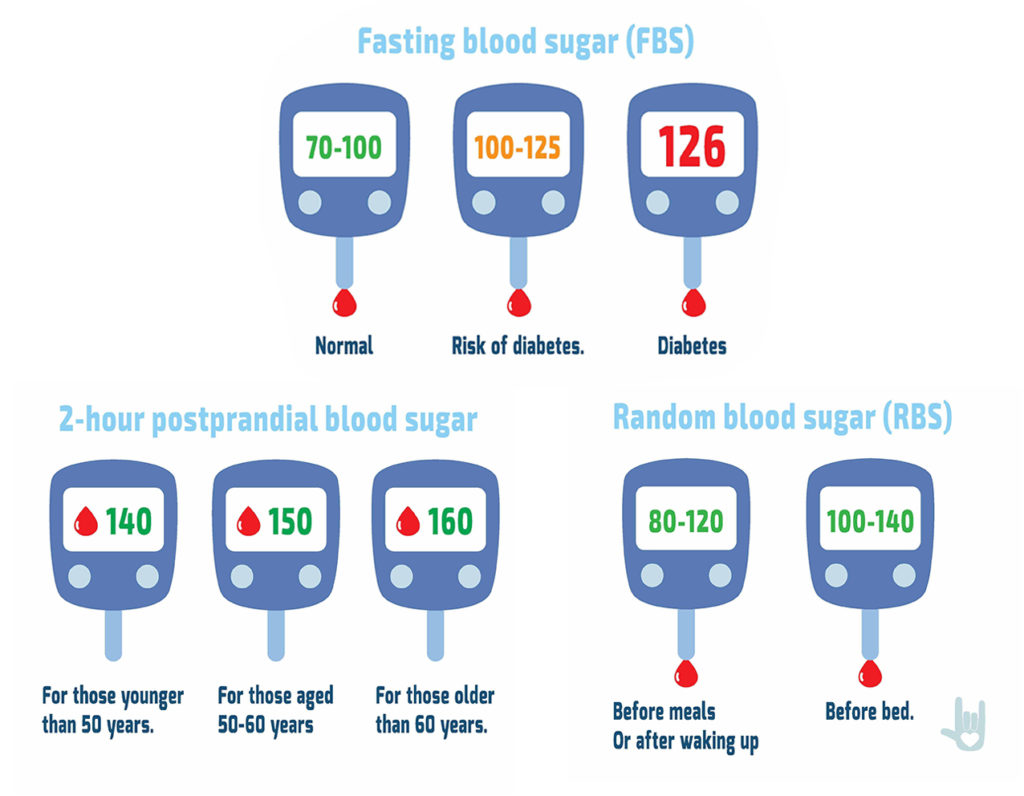
They're a lot less than 100 mg/dL after refusing to eat (fasting) for about 8 hours. And they're under 140 mg/dL two hours after eating.
During the morning, levels usually are at their lowest prior to meals. For most people without diabetes, blood glucose levels levels before meals hover around 70 to 80 mg/dL. For some people, 60 is typical; persons, 90.
What's a minimal sugar level? It varies widely, too. Many people's glucose will not ever fall below 60, in spite of prolonged fasting. When you diet or fast, the liver keeps your levels normal by turning fat and muscle into sugar. A few people's levels may fall somewhat lower.
Diagnosis
Doctors begin using these tests to uncover if you have diabetes:
Fasting plasma glucose test. The doctor tests your blood sugar levels levels after fasting for 8 hours and it’s over 126 mg/dL.
Oral glucose tolerance test. After fasting for 8 hours, you have a special sugary drink. Two hours later your sugar level is over 200.
Random check. The doctor tests your blood glucose levels and it’s more than 200, plus you’re peeing more, always thirsty, and you’ve gained or lost a lot of weight. They’ll then complete a fasting sugar level test or perhaps oral glucose tolerance test to ensure the diagnosis.
Any sugar levels greater than normal are unhealthy. Levels that are over normal, yet not reaching the aim of full-blown diabetes, are prediabetes.
According on the American Diabetes Association, 86 million people within the U.S. have this problem, which can produce diabetes should you not make healthy changes in lifestyle that your doctor recommends. It also enhances the risk for coronary disease, however, not as much as diabetes does. It's possible to keep prediabetes from becoming diabetes with eating and working out.


No comments:
Post a Comment